Lessons from the Roll: Adirondacks Edition
Latitude and Light
There’s a quiet arrogance that comes with shooting digital. You start to trust the safety net — the histogram, the highlight recovery, the comfort of knowing you can always fix it later. Film removes all of that. It leaves you face to face with your own exposure decisions.
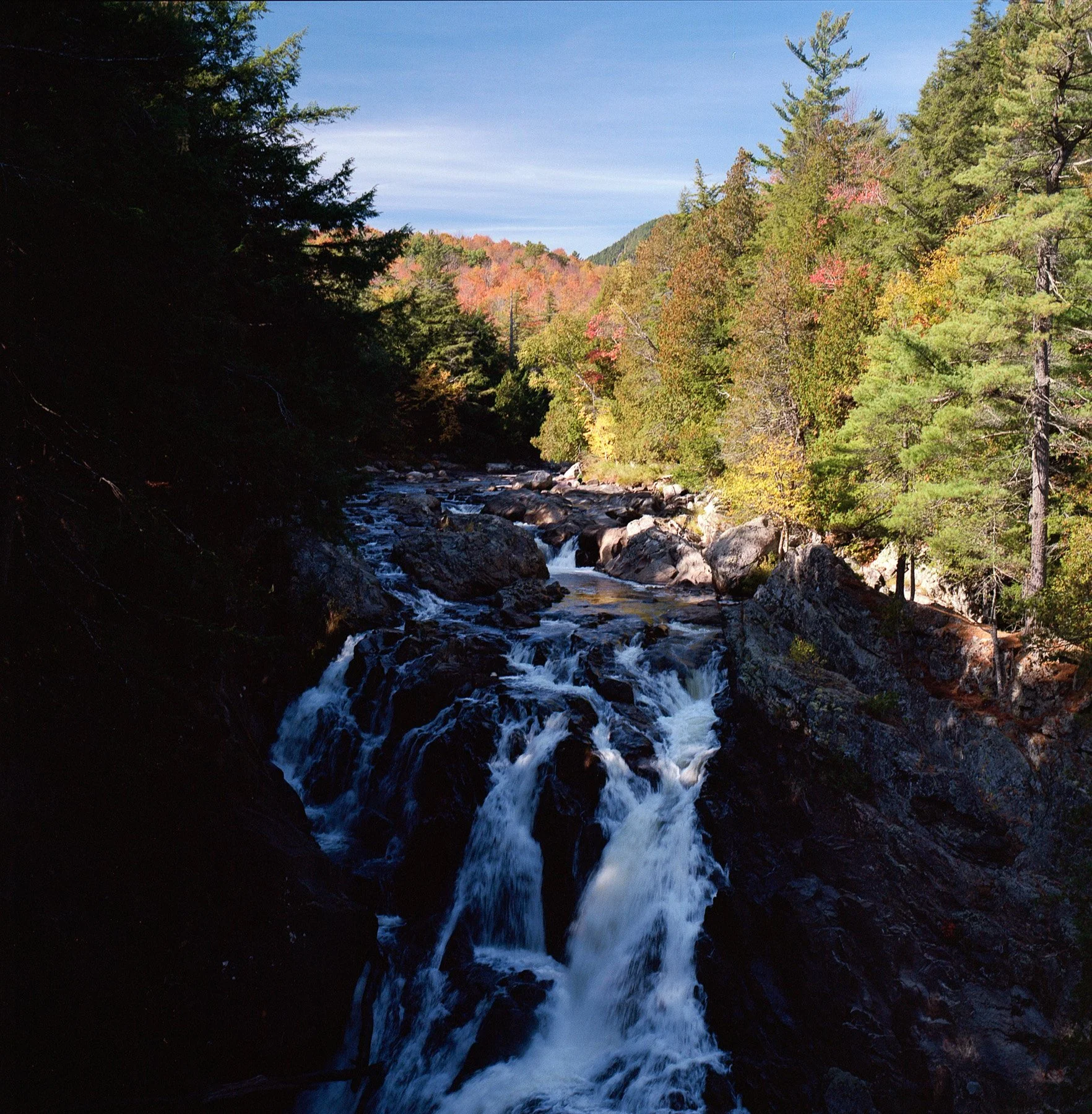
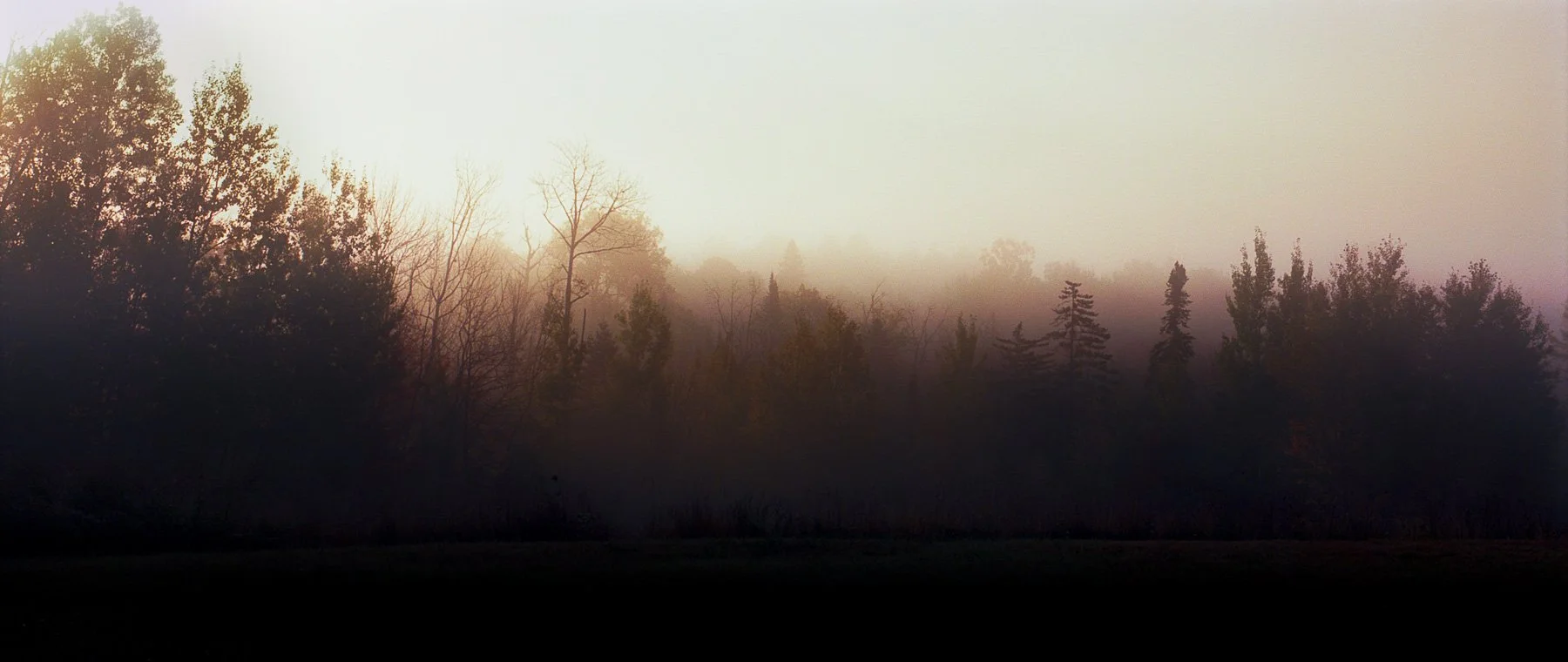
I went into the Adirondacks thinking I understood that difference. I’d read about film’s limited dynamic range, knew the numbers, knew the risk. But theory fades fast when you see your first set of scans — skies blown to white, shadows collapsed to black. What digital cushions, film confronts.
The medium demands discipline. Film doesn’t tolerate careless framing or lazy metering; it forces you to manage light, not just measure it. You start to notice how reflection lifts a midtone, how haze softens contrast, how the treeline hides just enough detail to fool your meter.
And then you start reaching for filters — graduated NDs, polarizers — tools you once considered optional. On film, they’re non-negotiable. They preserve the integrity of tone, protect depth, and let the medium breathe within its limits.
But here’s the paradox: the constraint feels freeing. Every frame becomes a conscious decision, every mistake a lesson. Film slows you down, demands awareness, and rewards intention.
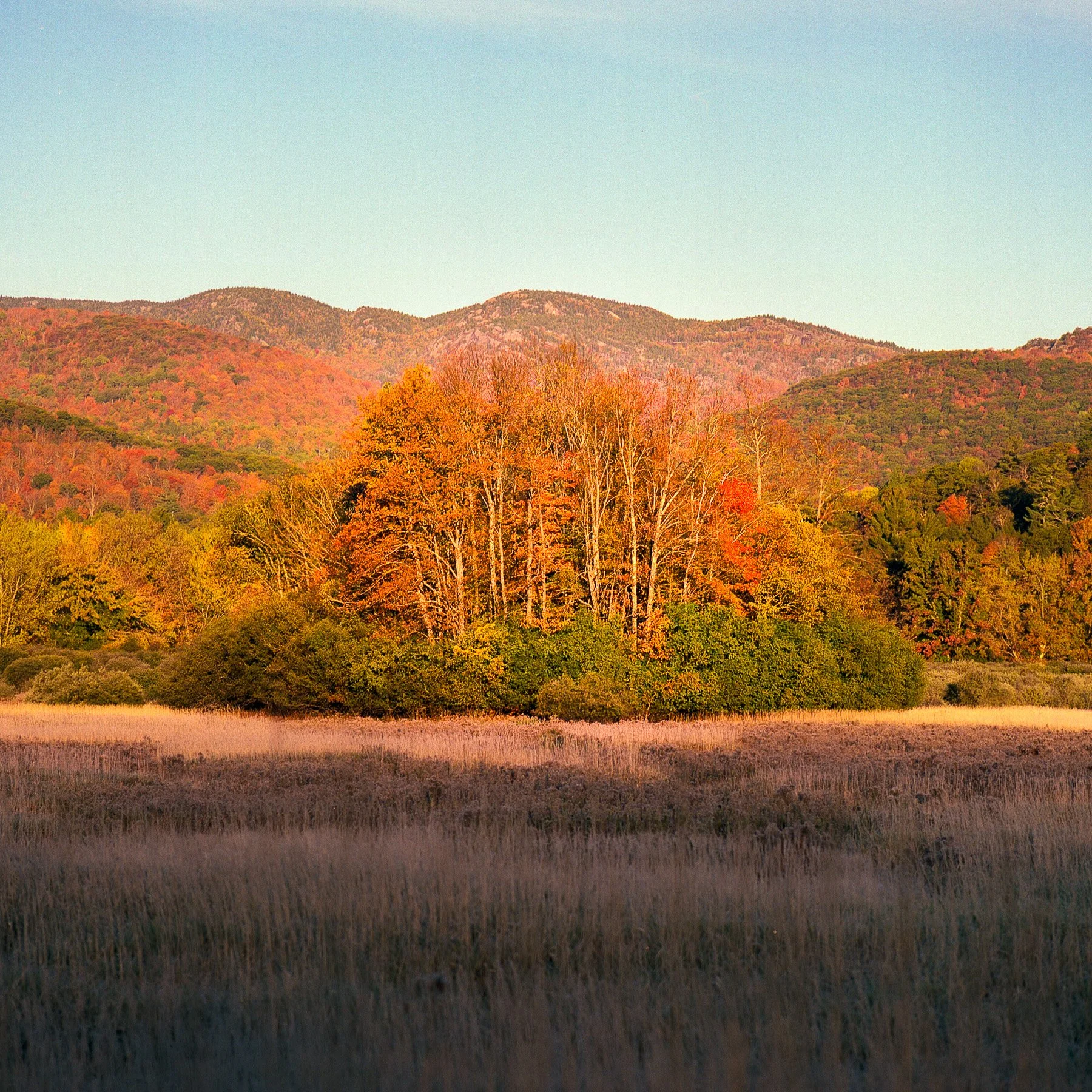
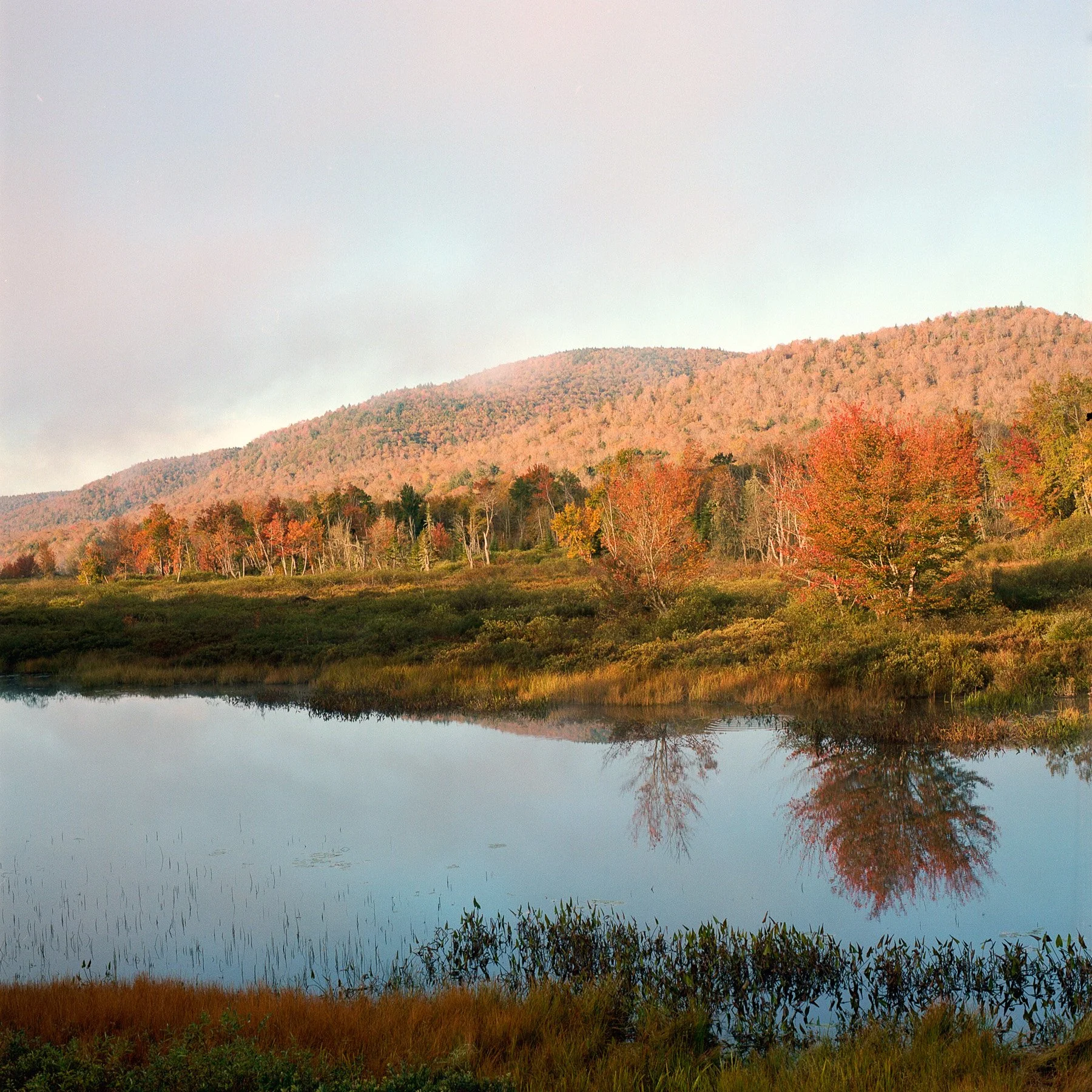
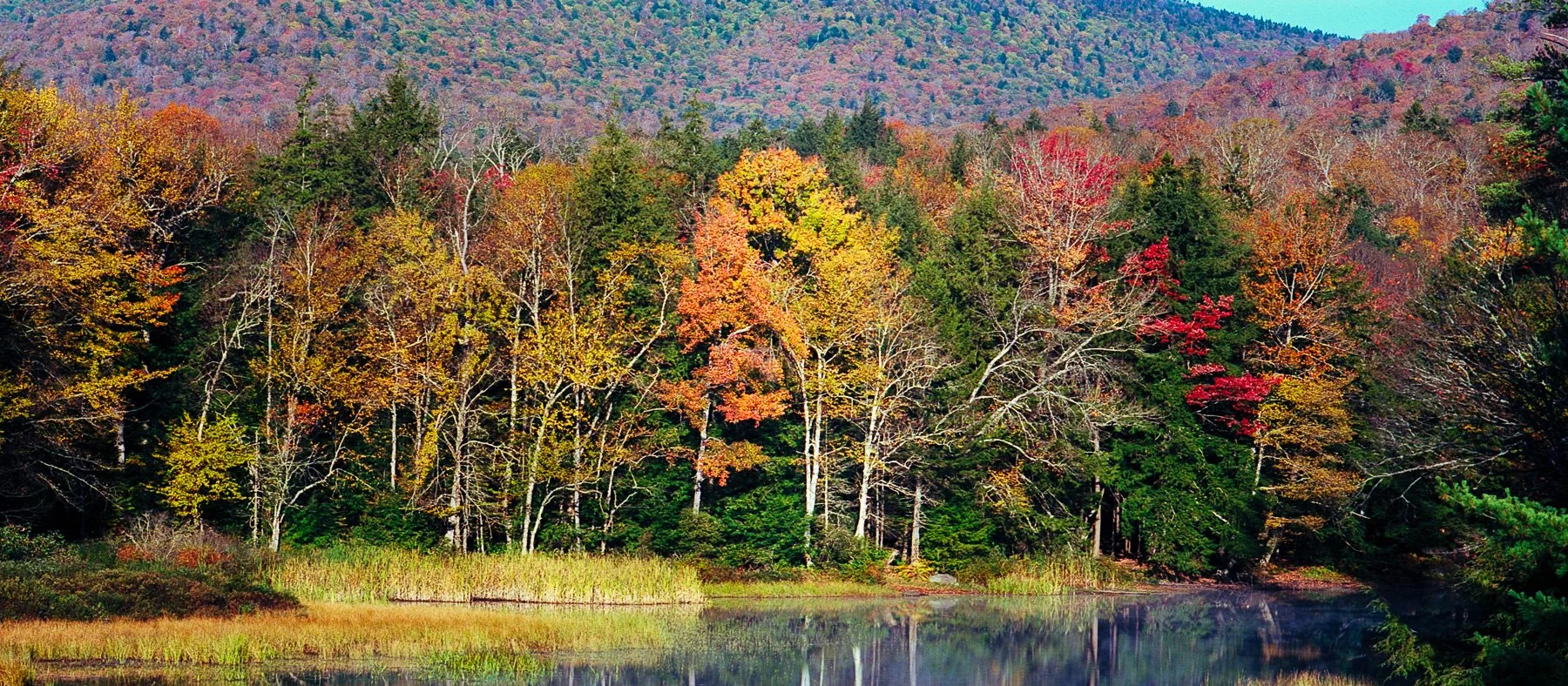
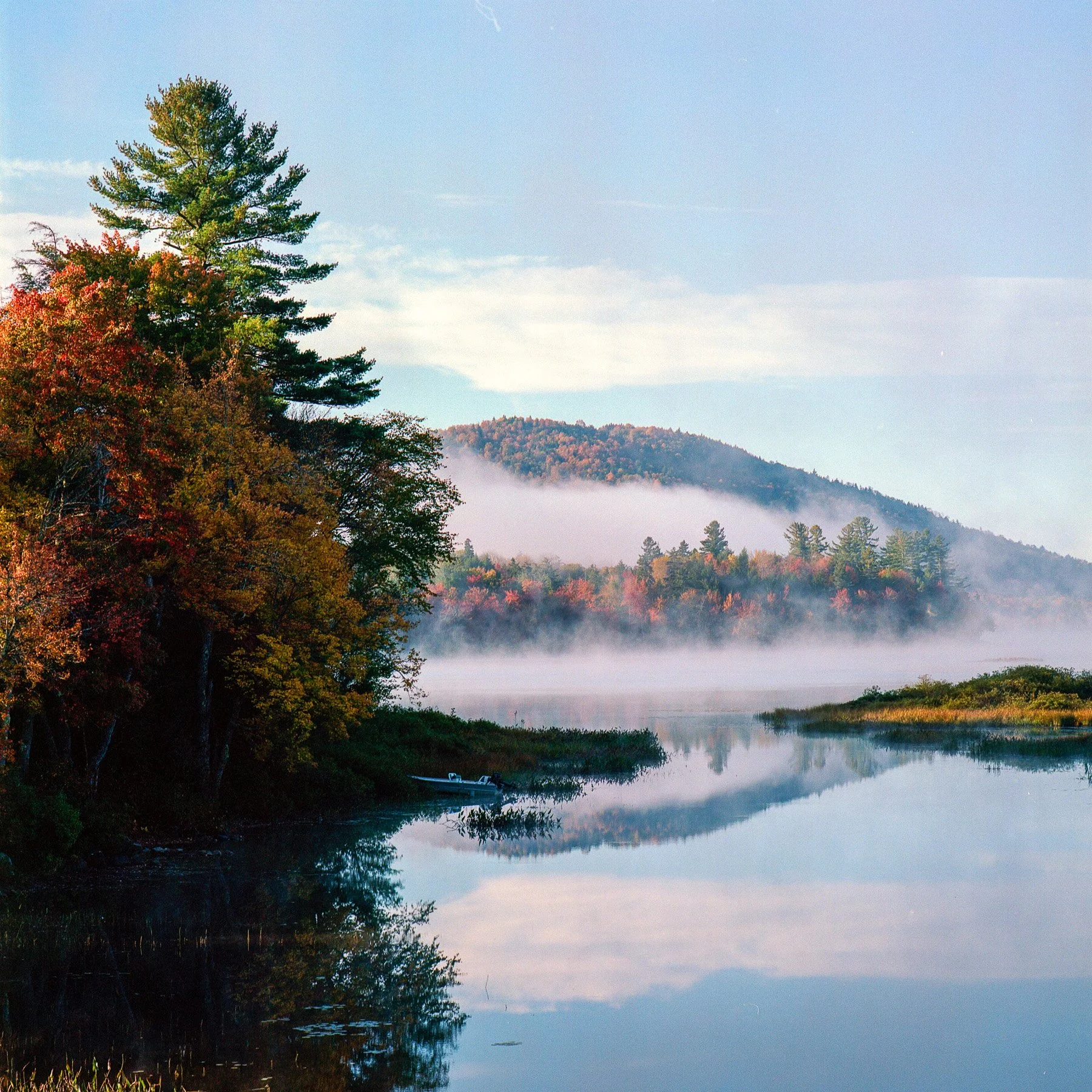
What I lost in dynamic range, I gained in discipline. Maybe that’s the real latitude film offers — not in stops of light, but in how far it stretches your patience and perception. Enjoy the gallery below, filled with both some successes and some opportunity areas.