Revisiting Early Frames
When I first picked up a film camera, I wanted a creative outlet that felt both new and familiar. Black and white was the practical choice, but it also felt like the more disciplined one. Color can disguise a weak composition; black and white leaves nothing to hide behind. It asks you to pay attention — to shape the frame with intention rather than instinct.
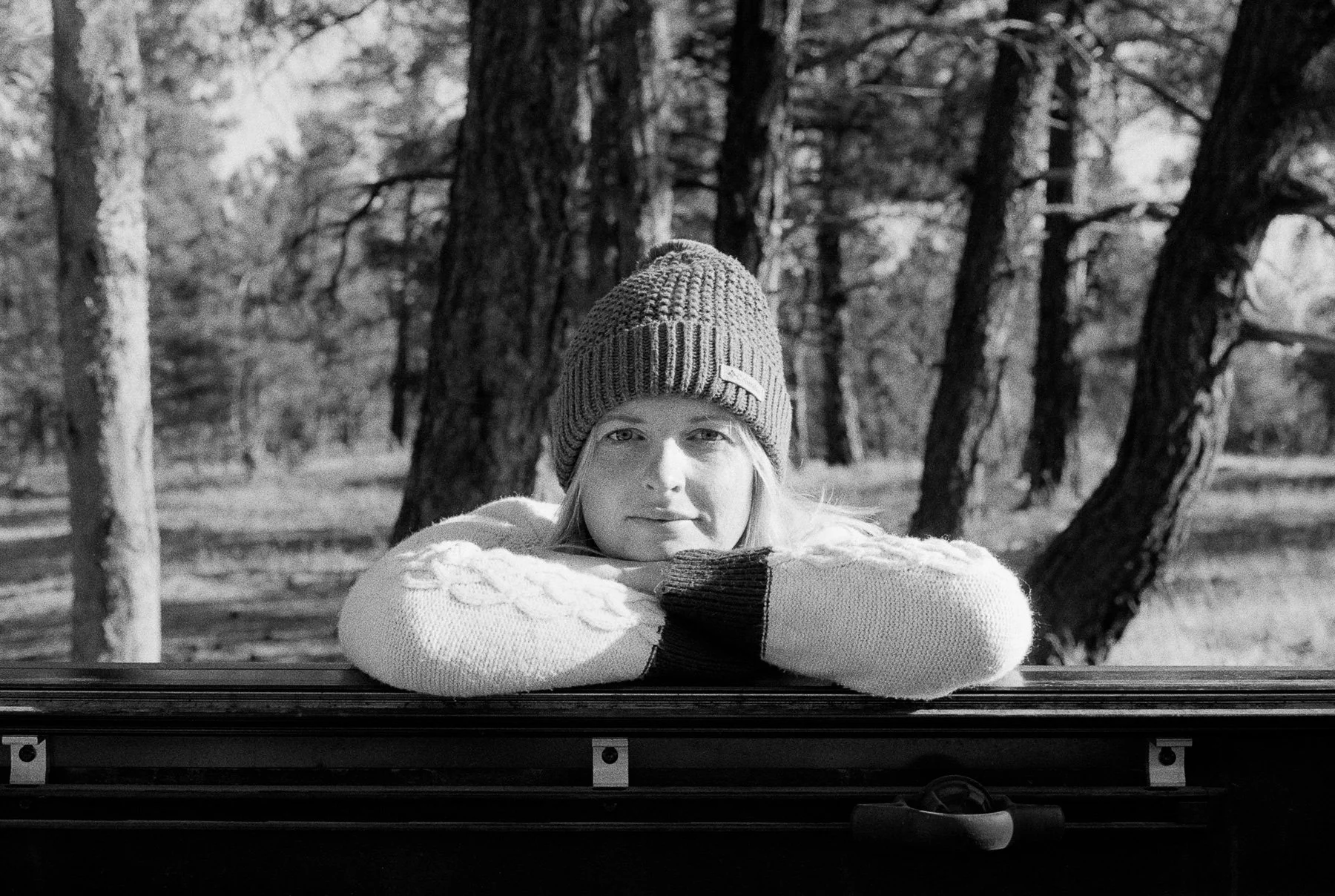
Revisiting these early photographs brings a different kind of clarity. Time adds distance, and distance reveals details I missed the first time: the simplicity of a moment before it became a memory, the version of my wife and myself who existed then. We were younger, quieter, unaware of the paths that would unfold ahead of us. Black and white gives these frames a sense of age, or perhaps time has simply moved faster than I realized.
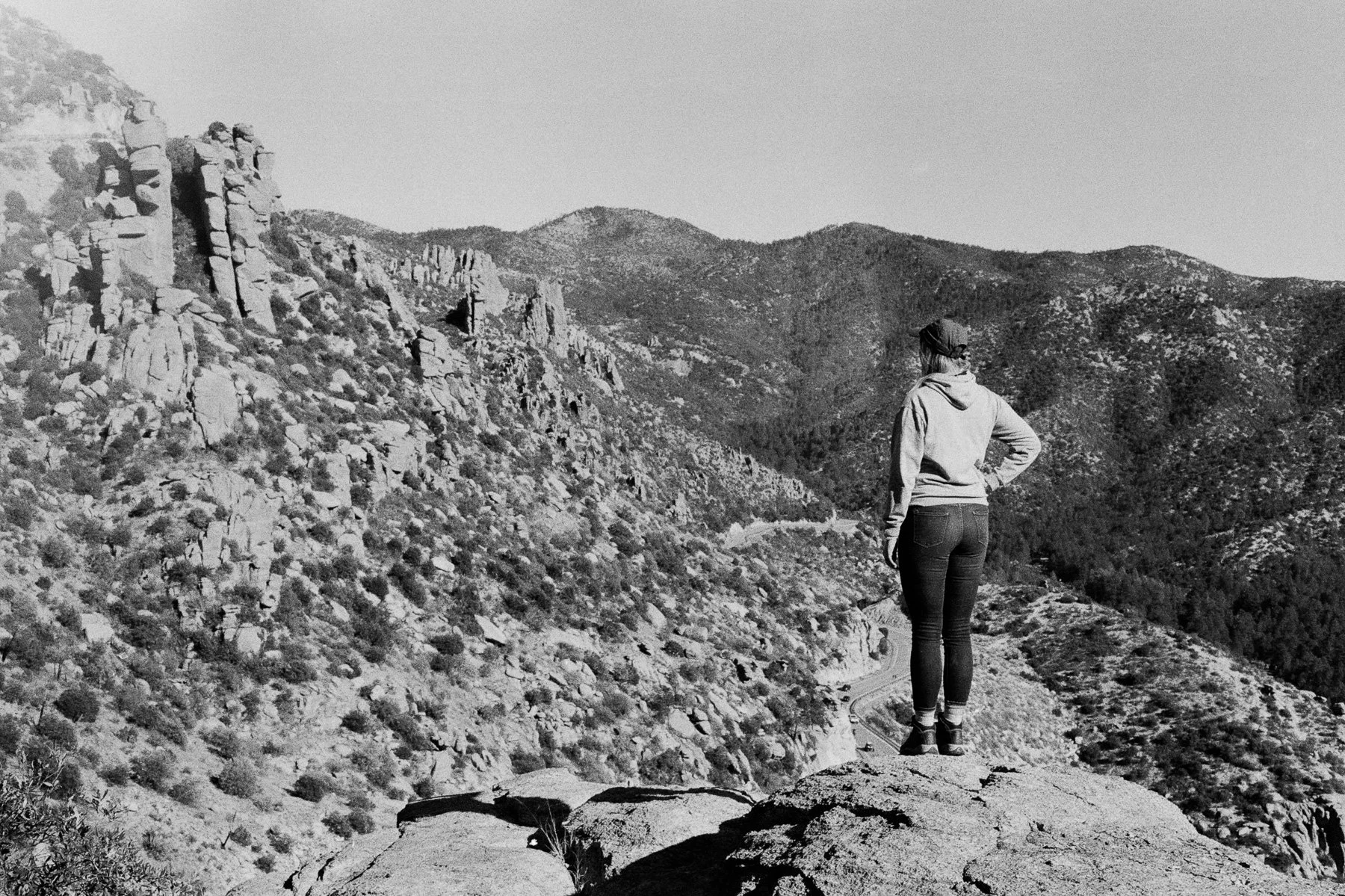
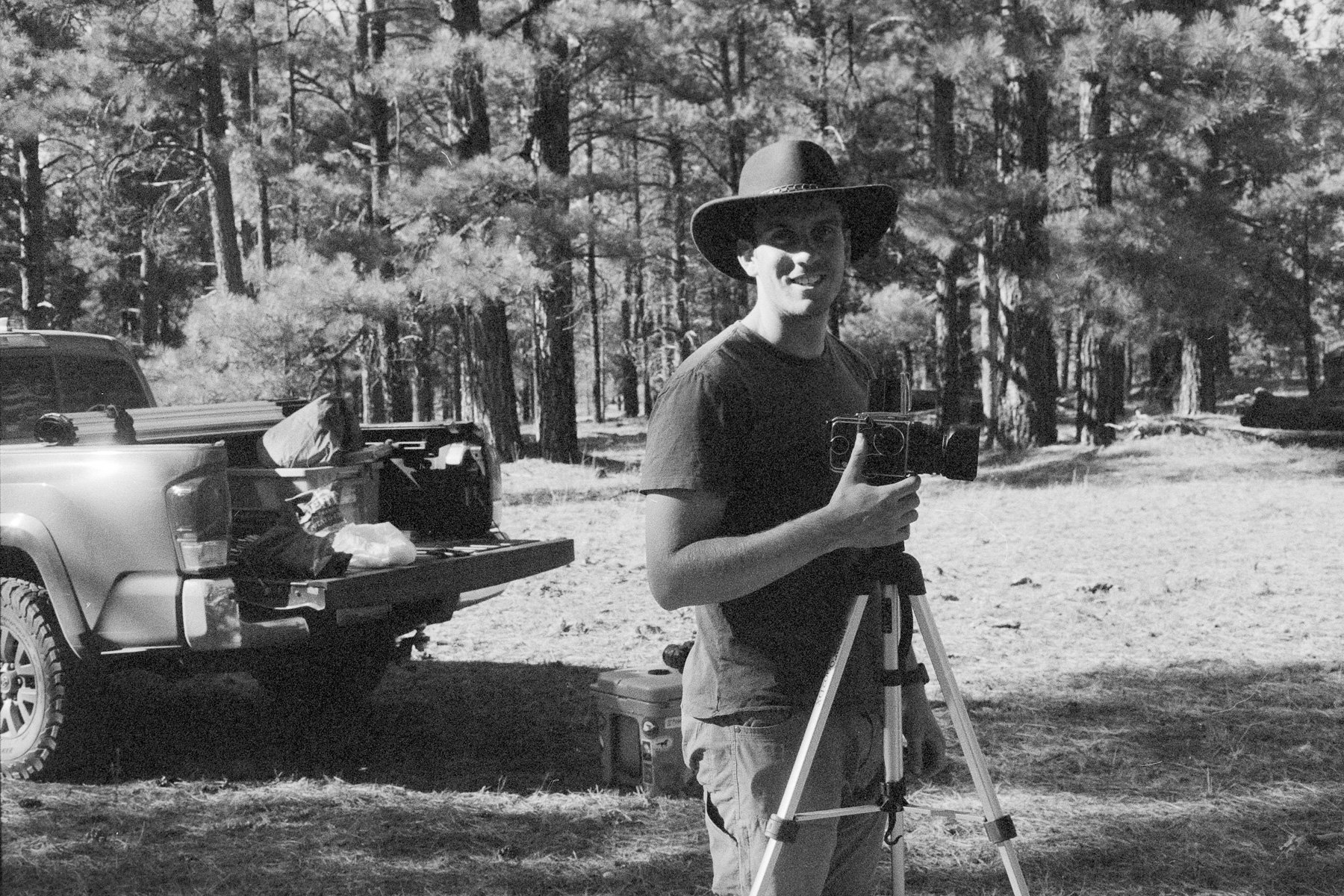
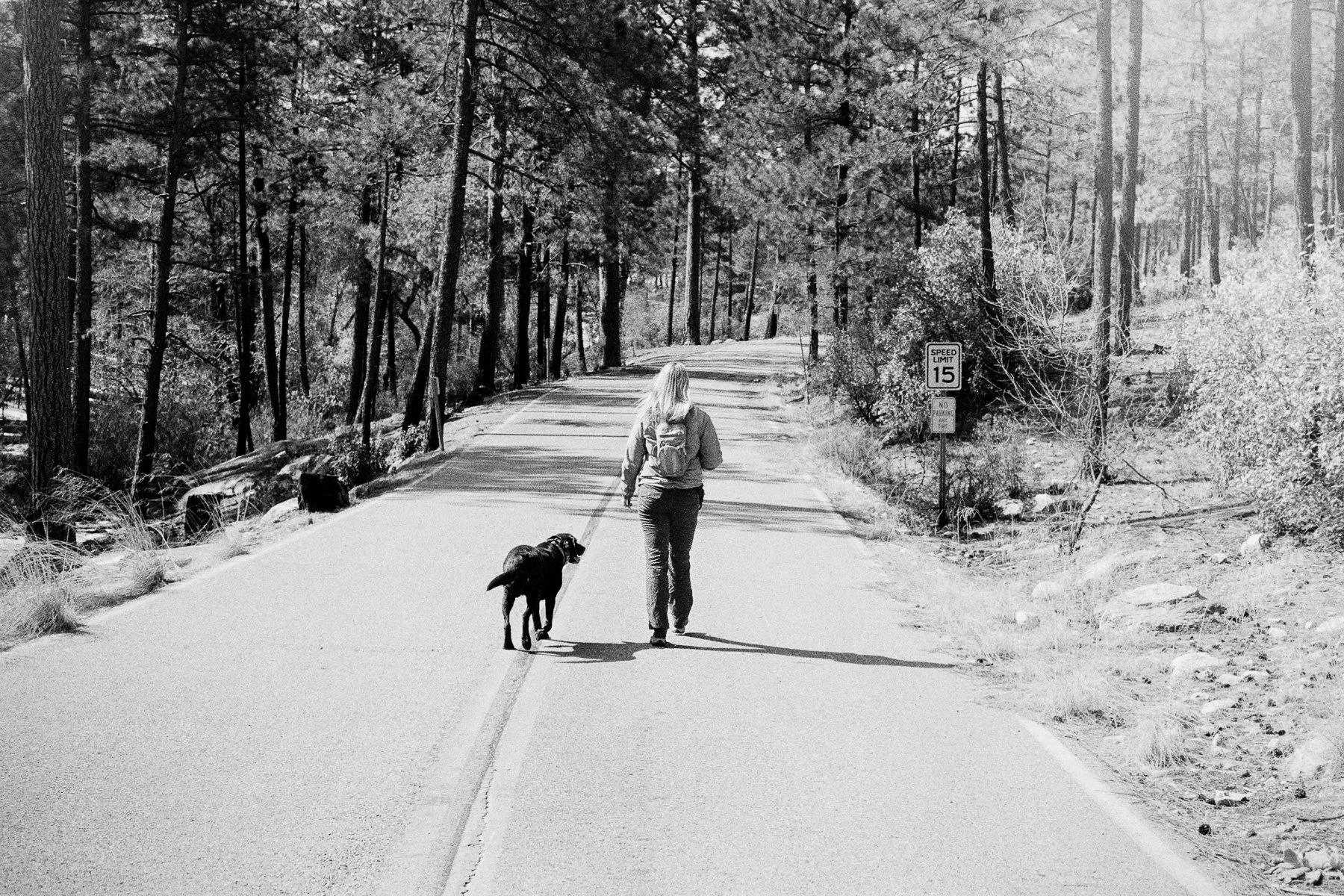
These early images were an effort to create a feeling, to tell a small story through candid moments on camping trips out West. I thought the story would be in what the photographs communicated to others. Now, I see it differently. The most meaningful story is the one they hold for me — fragments of days that have already passed, shaped by the people who were there and the person I was becoming behind the lens.
They achieved what I hoped film would offer, though not in the way I expected. They didn’t just record the scene; they preserved the quiet truth of the moment, and the distance between then and now.
What I didn’t understand then, and only recognize now, is that early work has a way of revealing who we were long before we knew how to say it. The lessons weren’t in the photographs themselves, but in the act of making them. And revisiting these frames years later feels less like looking back, and more like returning to something that never fully left.
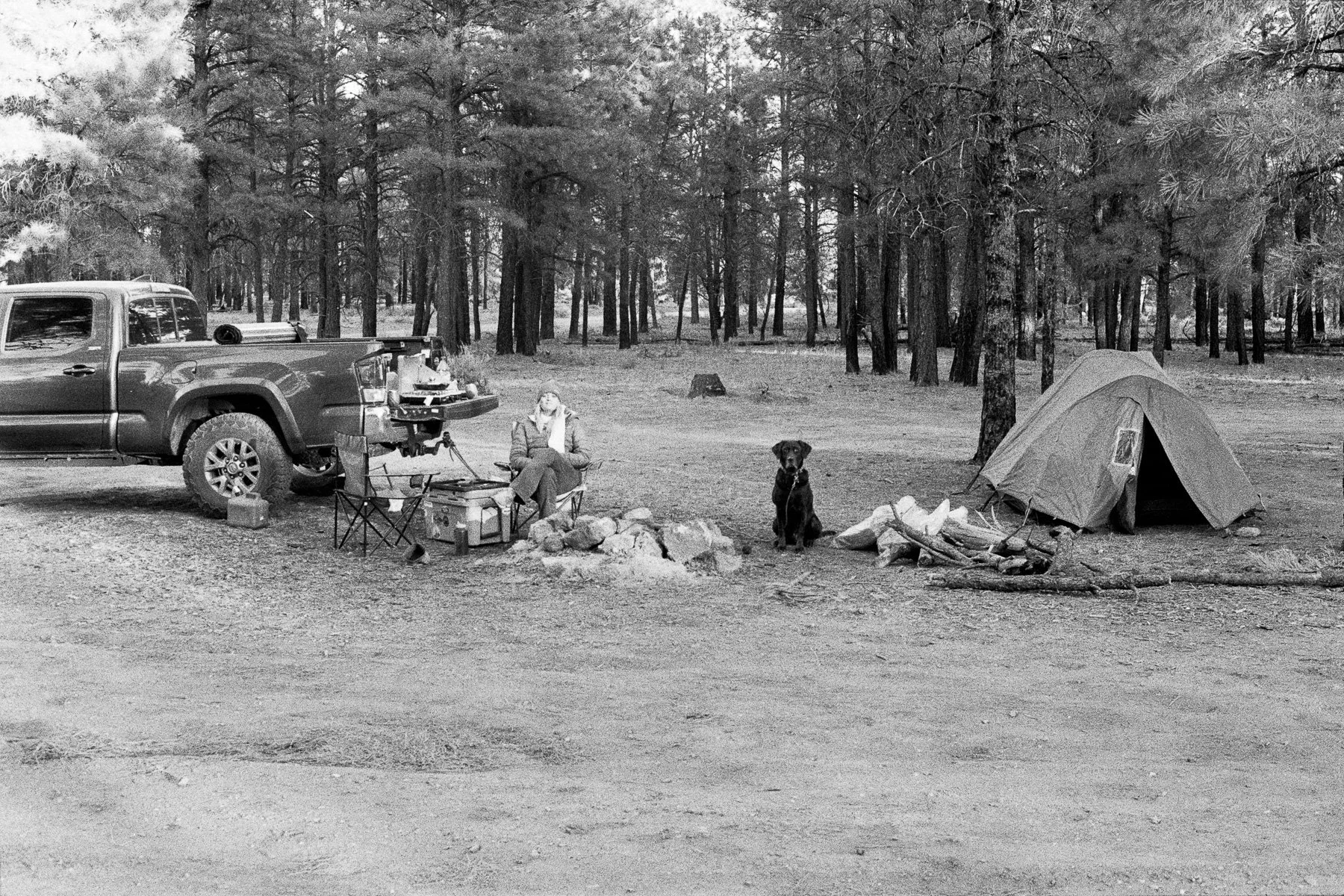
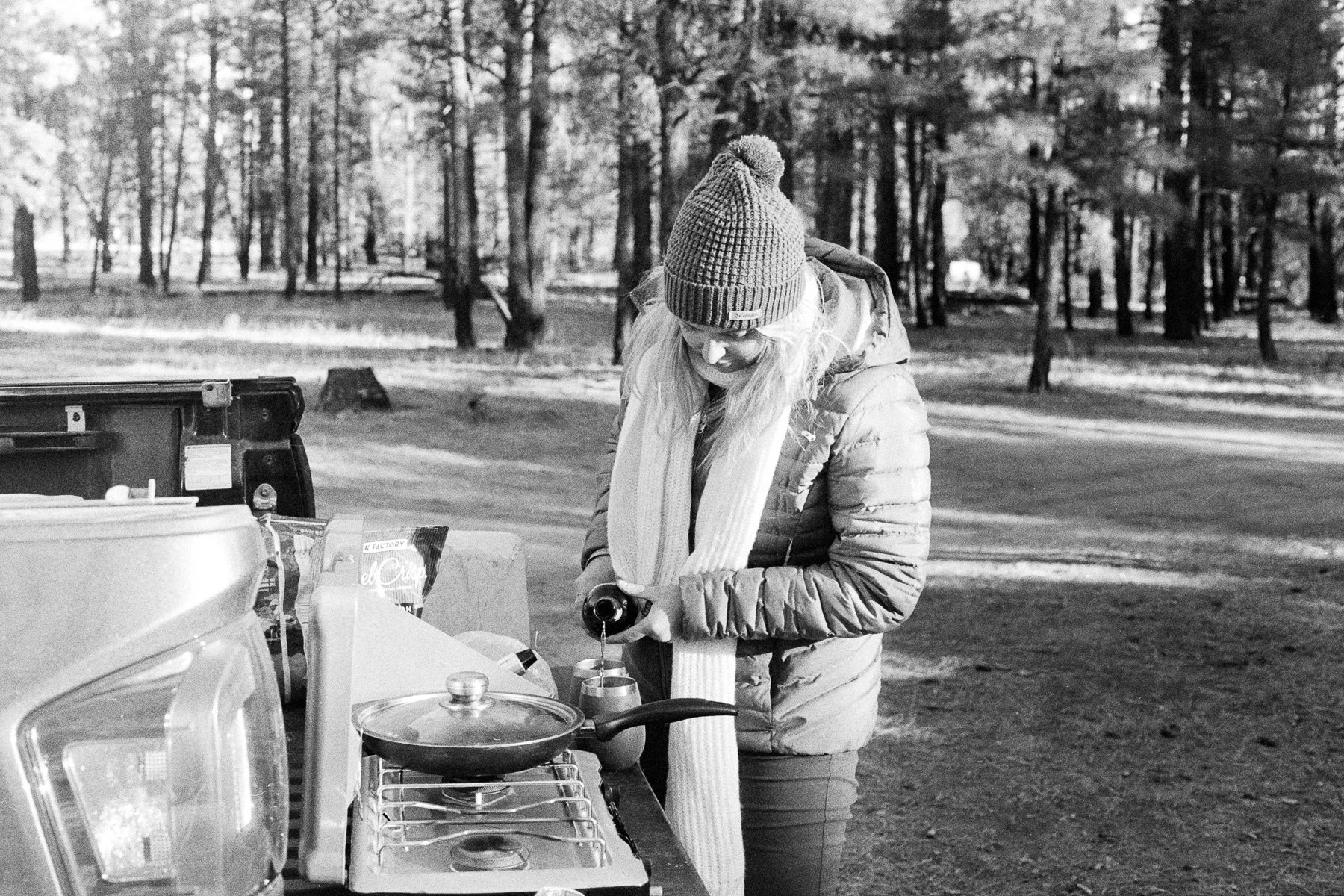
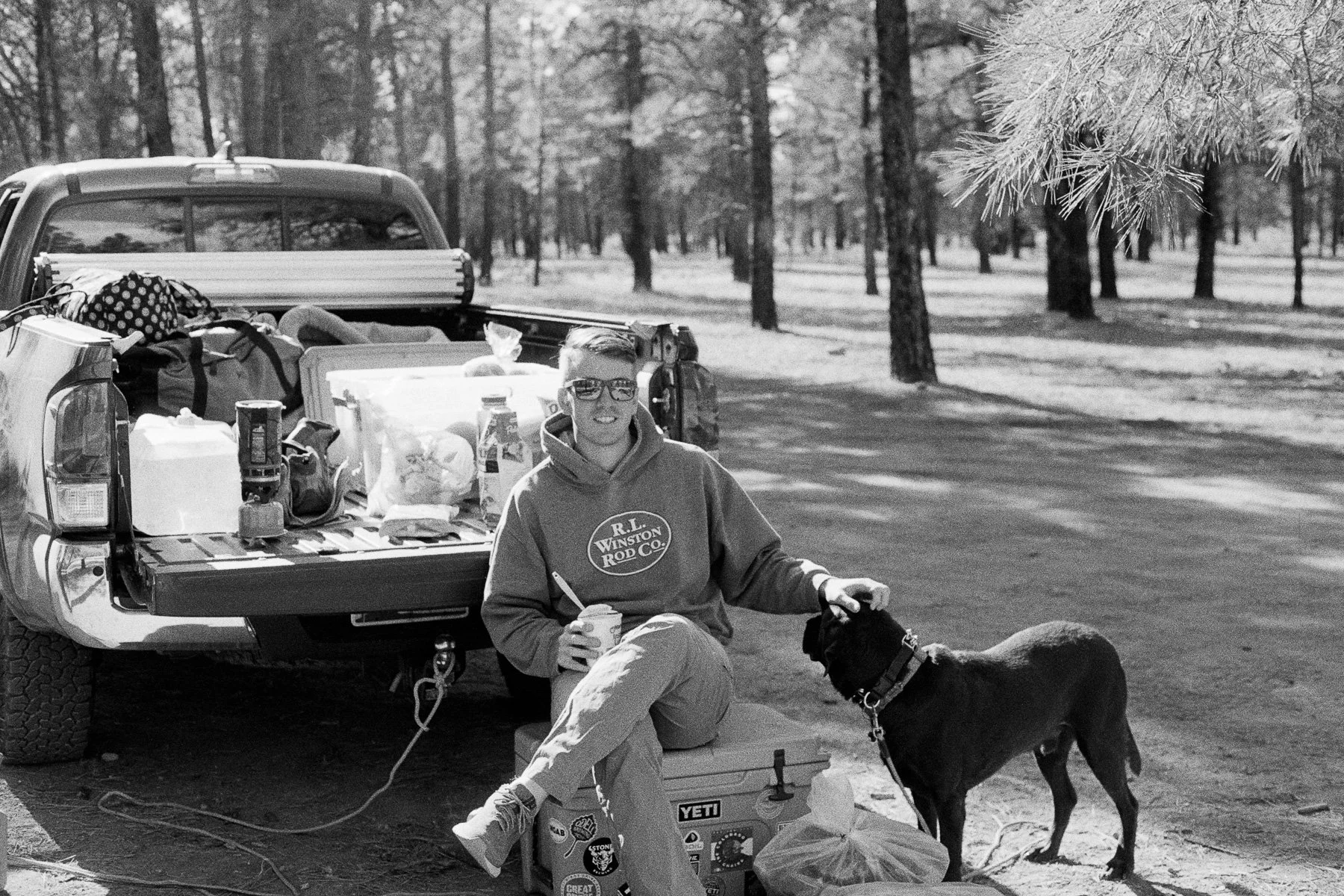
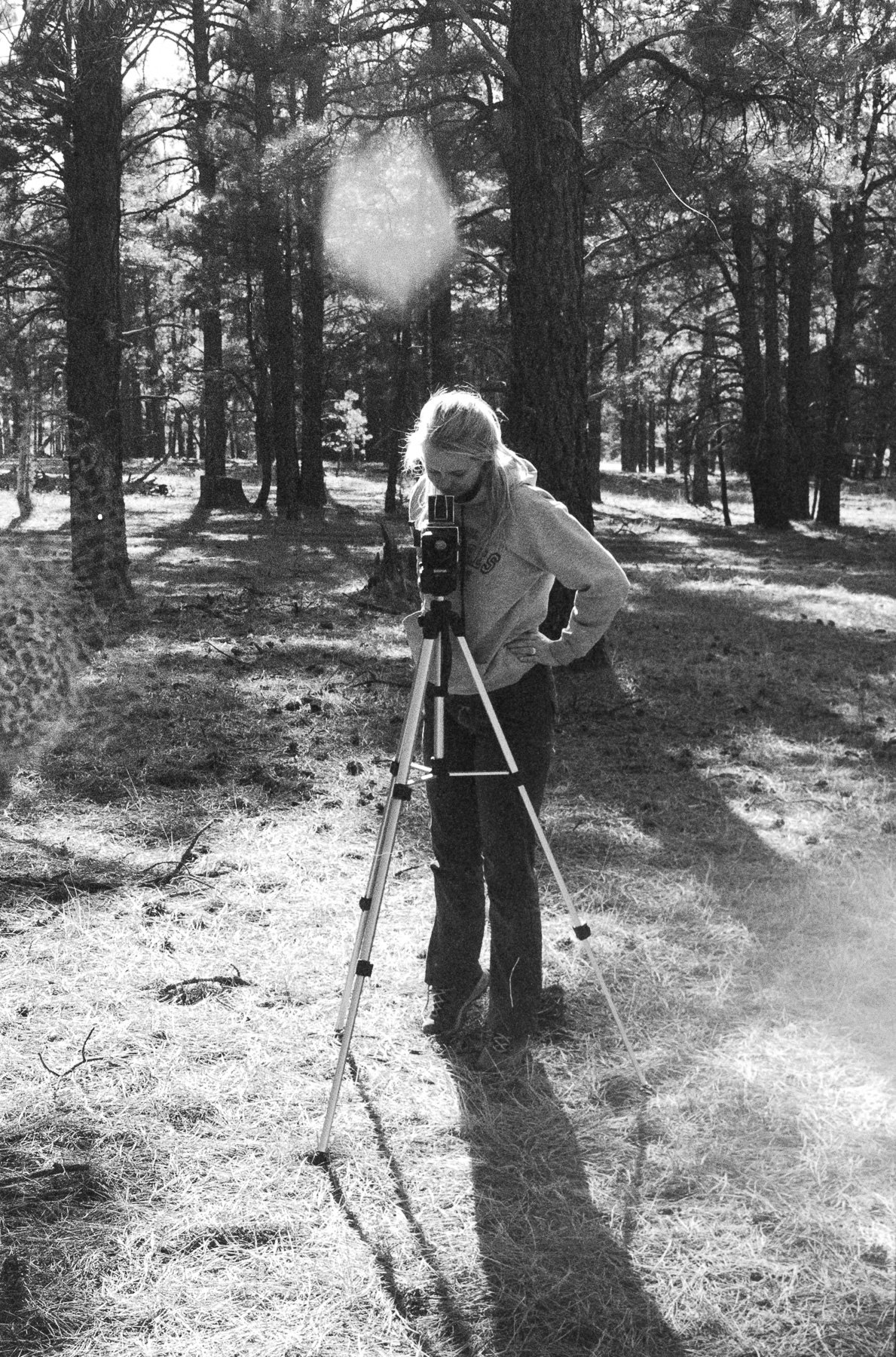
Canon AE-1, mix of Ilford HP5+, DSLR scans